10 Oct 2026
Landmark Regulatory Shifts That Reshaped Casino Operations Nationwide

Regulatory milestones in the casino sector have unfolded through layered federal and state actions that altered compliance requirements, operational structures, and market access without much public fanfare. These changes built on earlier frameworks while introducing new standards for technology, player protections, and tribal sovereignty that continue to influence daily operations at venues from coast to coast.
Foundational Federal Laws Set the Stage
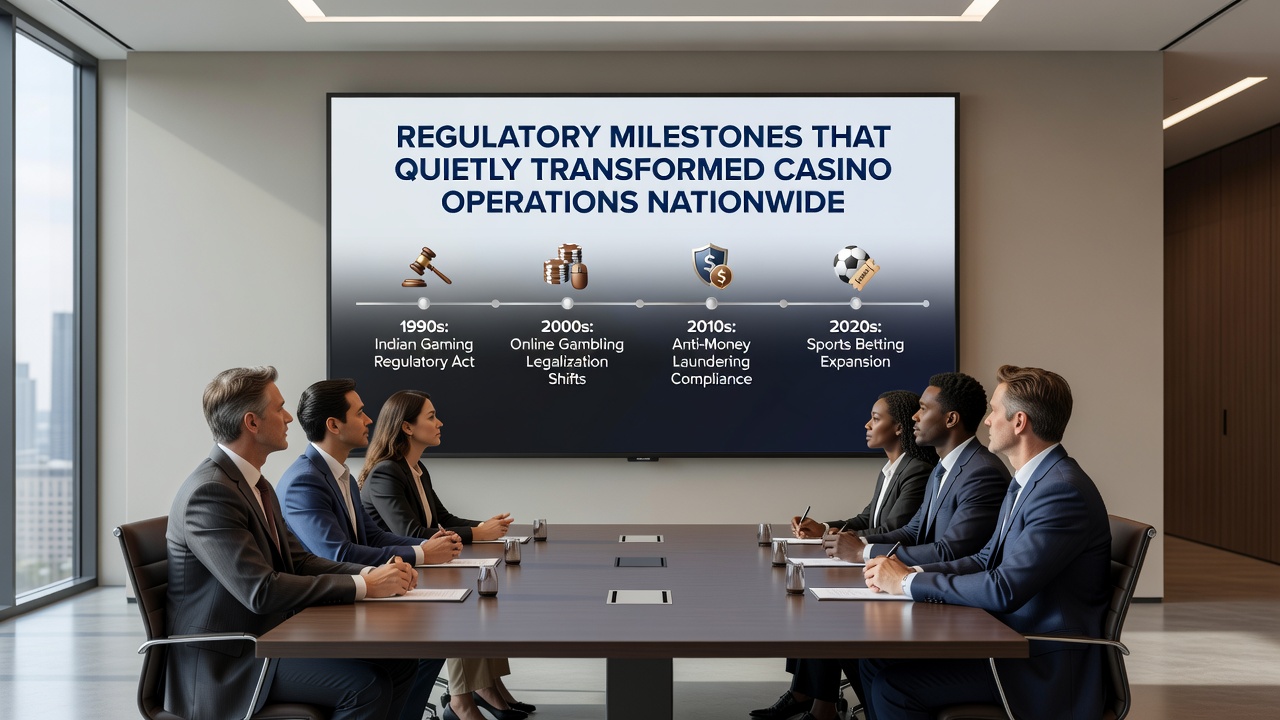
The Indian Gaming Regulatory Act of 1988 established oversight mechanisms for tribal casinos and created the National Indian Gaming Commission to monitor class II and class III gaming activities, which led facilities on sovereign lands to adopt standardized reporting and auditing practices that spread to commercial operators in subsequent decades. Data from the commission shows tribal gaming revenue grew steadily after these rules took effect, prompting states to refine their own licensing procedures to maintain competitive balance. Observers note that the act's emphasis on tribal-state compacts quietly shifted how regulators handled revenue sharing and game approvals across multiple jurisdictions.
Another pivotal measure arrived with the Unlawful Internet Gambling Enforcement Act of 2006, which directed financial institutions to block transactions tied to unlawful online gambling and forced land-based casinos to strengthen internal controls against money laundering and unauthorized betting platforms. Implementation required updated software systems and staff training protocols that became standard in most major markets, while enforcement patterns encouraged operators to segment their offerings more clearly between physical and digital channels.
State-Level Adjustments Drive Broader Compliance
Following the 2018 Supreme Court decision that cleared the way for states to legalize sports wagering, numerous legislatures enacted frameworks requiring real-time data reporting, geofencing technologies, and age-verification systems that integrated directly into existing casino management platforms. These rules varied by region yet produced nationwide effects on how operators track wagers and share information with regulators, particularly in states that tied sports betting licenses to existing casino properties. Research indicates that by late 2025 several additional states had finalized similar statutes, setting the stage for further harmonization ahead of October 2026 deadlines for certain reporting upgrades.
Responsible gaming mandates also gained traction through state gaming boards that required self-exclusion databases, mandatory staff training on problem gambling indicators, and limits on credit extensions. Casinos in multiple jurisdictions responded by embedding these tools into loyalty programs and floor operations, which produced measurable shifts in player behavior tracking without altering core game offerings. Figures from industry associations reveal consistent adoption rates that aligned with these state directives over successive years.
Technology and Data Standards Emerge
Updates to payment processing rules and cybersecurity expectations prompted casinos to deploy encrypted transaction systems and regular vulnerability assessments that met criteria set by both state and federal authorities. These requirements emerged gradually through guidance documents rather than single sweeping statutes, yet they transformed back-office procedures for handling player funds and protecting personal information across properties of all sizes. Experts have observed that smaller regional casinos often partnered with third-party vendors to meet these benchmarks, which in turn standardized certain technical specifications nationwide.
Anti-money laundering provisions under the Bank Secrecy Act continued to evolve through FinCEN advisories that targeted casino-specific risks such as chip purchases and jackpot payouts, leading operators to refine suspicious activity reporting timelines and customer due diligence processes. Compliance teams at major chains adjusted internal workflows accordingly, and data shared among regulators showed increased filings that reflected heightened scrutiny rather than any single new law.
Looking Toward October 2026 and Beyond
Current regulatory calendars point toward synchronized updates in several states by October 2026, including enhanced data-sharing protocols between gaming commissions and tax authorities that will require casinos to integrate new software interfaces for real-time reporting. These adjustments build on prior milestones without introducing dramatic overhauls, yet they underscore the cumulative impact of incremental changes on operational efficiency. Industry reports document how earlier adoptions of similar systems prepared operators for these next phases.
Conclusion
Collective effects of these regulatory milestones appear in everyday casino practices ranging from audit trails and player verification to technology infrastructure and inter-agency coordination. Data from government sources and research institutions continues to track how such layered requirements influence revenue streams, staffing models, and market expansion patterns without centralized announcements drawing widespread attention. Those who monitor the sector recognize that ongoing refinements will likely follow the same pattern of quiet, cumulative transformation.